Skip to content

Practical checklists and educational guides

Resources

Use these resources to structure an apple orchard investment review for Ireland. The focus is on operational clarity, market pathways, and assumption setting rather than promotion. Where we reference projections, they are scenario ranges meant to support due diligence conversations.

Quick start: what to verify

A compact set of items that often drive outcomes in Irish orchard plans. Use it as a first pass list before building a detailed model.

  • Site and exposure

    Drainage, wind, frost pockets, access roads, and water availability for spraying and cleaning.

  • Disease and pest strategy

    Humidity and rainfall can increase pressure, so canopy airflow and spray timing are critical assumptions.

  • Post harvest capability

    Grading, packing, and storage influence packout rates and the ability to target export windows.

  • Buyer pathway

    Fresh market specs, export documentation, and cider processing contracts set the real constraints.

This page avoids urgency language and income promises. It is intended to help you prepare better questions for qualified professionals.

Guides for Ireland focused evaluation

These guides translate orchard operations into the assumptions that typically sit behind scenario models. The objective is transparency: what can change, why it changes, and where to be conservative.

Site

Site selection notes for Irish orchards

Start with topography, drainage, and wind exposure. In Ireland, shelter and airflow can be a balancing act: windbreaks reduce fruit rub and spray drift, while adequate airflow helps reduce humidity around the canopy.

Verify access: equipment entry, turning space for harvest logistics, and proximity to packing or pressing. If export is a target, consider how quickly fruit can move into the cold chain and whether packaging standards are achievable at scale.


Operations

Canopy and disease pressure assumptions

Many projections fail because they treat packout as stable. In humid seasons, scab, russeting, and storage rots can shift grade distribution even if total yield remains reasonable. Build explicit assumptions for preventive programs and for what happens in wetter periods.

Use orchard design as a mitigation lever: row orientation, tree spacing, and training can improve light and airflow. Then map that back to labor timing, spray windows, and machinery capacity.

Markets

Export readiness and channel planning

Export opportunities often depend on reliable Class 1 packout, consistent sizing, and traceability documentation. Treat export as a capability that can widen the buyer set, not a guarantee of pricing.

A robust plan usually includes a secondary pathway. Local cider production can absorb fruit that does not meet fresh appearance specifications, but it still requires quality management, reliable volumes, and processing logistics.

Due diligence checklist (practical)

Use this checklist to document assumptions before you compare scenarios. It is designed to align with Irish conditions and the two common revenue routes highlighted on Calydosp: fresh and export grading, and local cider production.

Orchard system

  • Tree density, rootstock choice, and trellis requirements.
  • Pollinator strategy and compatible flowering overlap for chosen cultivars.
  • Windbreak plan and equipment access across wet ground conditions.

Quality and packout

  • Expected grade distribution across seasons, including a wet year downside case.
  • Harvest handling plan to reduce bruising and storage loss.
  • Storage specification assumptions, including energy costs and loss rates.

Commercial pathway

  • Buyer specifications for fresh and export, including packaging and traceability.
  • Cider channel plan for off grade fruit: delivery windows, pressing capacity, and pricing basis.
  • Insurance, compliance, and operational contingencies for adverse weather.

Gallery references

If you want visuals to support orchard planning discussions, visit the gallery for orchard rows, harvest workflow, and packing context.

irish apple orchard rows trellis and windbreak planning
Orchard rows
apple packing shed grading line export quality control
Grading line
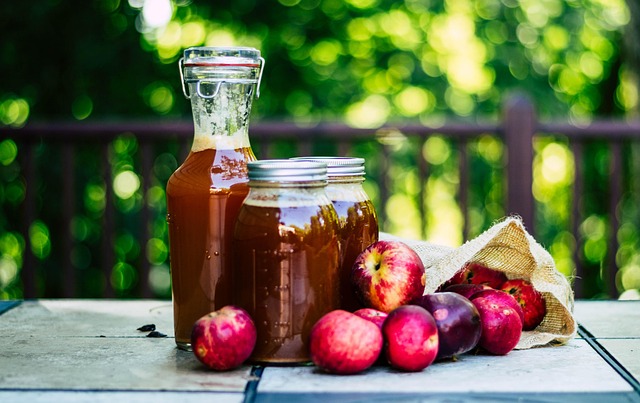
cider pressing apples processing pathway ireland
Cider pressing

Scenario note

When you review projections, separate agronomy from pricing. Irish climate suitability may support firmness and acidity in many seasons, while humidity can increase quality variability. Export pathways depend on consistent grading and documentation. Cider pathways can add resilience, but processing logistics and market demand still matter.

Seasonal calendar (Ireland)

Back to home

This is a static calendar reference on the resources page. Timing varies by cultivar and region, and weather can shift key windows.

Feb to Mar

Dormant pruning

Prioritize structure and airflow. Plan for sanitation and consistent training approach.

Apr to May

Bloom and pollination

Track weather forecasts and pollinator presence. Shelter can influence fruit set in exposed sites.

May to Jun

Thinning and early sprays

Set crop load early. Wet periods can increase scab pressure and reduce spray windows.

Jun to Aug

Canopy management

Maintain light and airflow. Align labor plans with growth flushes and scouting.

Sep to Oct

Harvest windows

Pick for firmness and storage potential. Handling quality is often decisive for export packout.

Oct to Feb

Storage and channel timing

Plan sales windows, monitor loss rates, and define processing fallback routes.

How to link the calendar to a scenario model

Assign each stage a cost and a risk driver: labor availability at thinning and harvest, spray capacity and wet day constraints, storage energy and loss rates, and the fraction of fruit likely to meet export or premium fresh specifications. Then build conservative, base, and optimistic cases to avoid single point assumptions.

Frequently used questions

If you are preparing to speak with growers, advisors, or buyers, these questions help clarify assumptions behind yield, quality, and routes to market.

What should be documented for export readiness?

Ask about grading standards, packaging specifications, traceability systems, and cold chain timing from orchard to dispatch. Export pathways usually require consistent documentation and repeatable quality controls.

Also ask what happens in a season where packout drops. A credible plan often includes a fallback route such as processing or local sales.

How can cider production support an orchard plan?

Cider pathways can absorb fruit that does not meet fresh appearance standards, which can reduce waste. The key questions are pricing basis, delivery requirements, and processing capacity.

Cultivar choice matters: blending for acidity and tannin influences cider style and may change the orchard mix compared to a fresh only plan.

Which assumptions are most sensitive in Irish conditions?

Grade distribution, wet weather access, and storage loss variability often move the economics more than total yield. Small changes in Class 1 percentage can materially change scenario outcomes.

Document your downside case: extended wet periods, limited spray windows, and harvest logistics under soft ground conditions.

Where can I find the legal and privacy information?

You can review the site privacy and terms pages at the links in the footer. Cookie preferences can also be managed at any time from the footer.

Disclaimer

Important information

The information on this website is for informational and educational purposes only and does not constitute financial, legal, or investment advice. Investing involves risk, including the possible loss of capital. Orchard performance can vary due to weather, pests, disease pressure, operational decisions, and market pricing. Any projections shown are illustrative scenarios and should be independently verified.

If you are considering an investment, seek advice from appropriately qualified professionals and ensure you understand costs, regulatory requirements, and the risks specific to agricultural operations.