Quick suitability notes (Ireland)
Ireland’s maritime climate can support apple quality attributes like firmness and acidity, while higher humidity and frequent rain events can increase disease and storage loss risk. Scenario planning is helpful because both yield and grade can shift year to year.
Primary uncertainty
Packout volatility from scab, wind rub, and handling damage.
Resilience lever
Dual market routes: fresh grading plus cider or processing outlet.
Export opportunity
Improves with consistent size, firmness, traceability, and cold chain.
Tip: when reviewing a plan, ask for a downside scenario that includes higher rejects, delayed harvest, and higher storage loss, then compare the result against financing and operating costs.
Supporting images
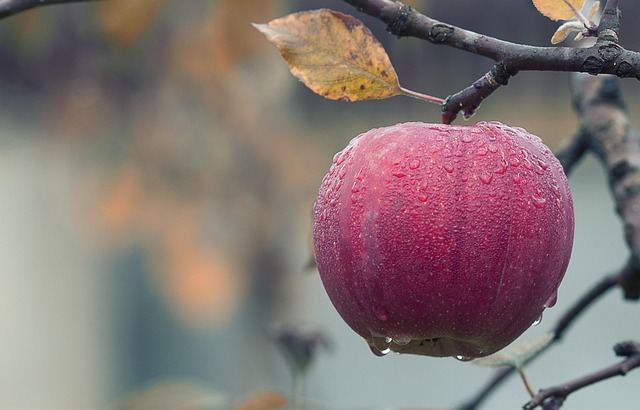
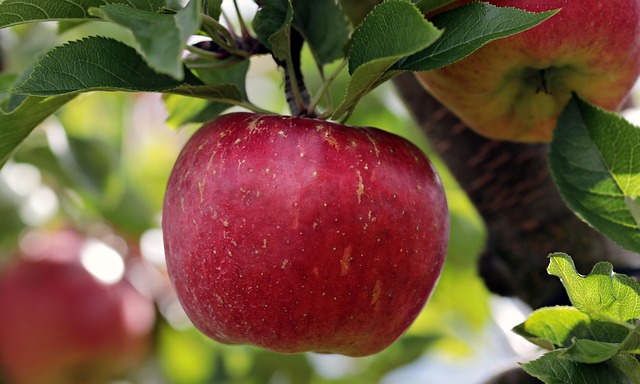
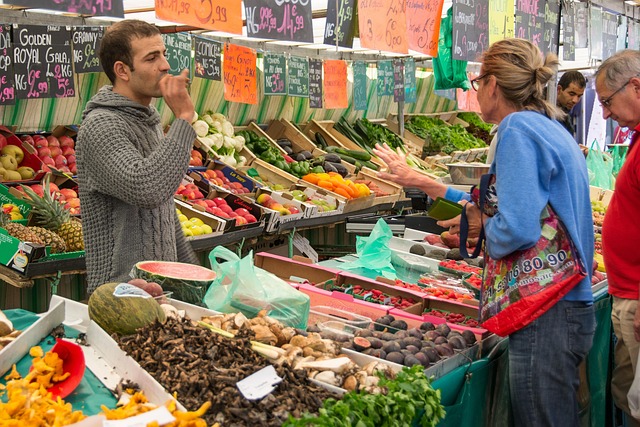
Use visuals to align expectations about orchard operations, harvest handling, and market preparation.
How the projections are built
The figures on this page are scenario templates designed to support due diligence discussions. They combine three core building blocks: (1) yield range per hectare that reflects orchard system intensity and seasonal variability, (2) grade distribution assumptions that allocate production into fresh export capable fruit versus local fresh, processing, or cider channels, and (3) a blended price band that reflects channel mix.
For Ireland, suitability discussion focuses on the balance between cool, moderated temperatures that can support firmness and acid profile, and the operational reality of humidity, rainfall, and wind exposure. These conditions can raise scab pressure, increase fruit finish defects, and affect storage loss rates. As a result, a plan that appears strong on yield alone may underperform if it assumes optimistic Class 1 packout without an agronomy strategy.
Export opportunities are presented as a capability that requires consistent grading, packaging, and traceability. Local cider production is shown as a stabilizing pathway that can absorb fruit that does not meet fresh appearance specifications, while still requiring reliable volumes and quality parameters relevant to pressing and blending.
Assumptions checklist
Use this checklist to review whether a projection matches Irish conditions and operational realities. Each item should be evidenced in a plan or budget.
Site and infrastructure
- Drainage plan and soil profile assessment
- Windbreaks and trellis system suited to exposure
- Water access for sprays and frost mitigation options
Crop protection realism
- Scab management strategy for wet periods
- Monitoring and thresholds for key pests
- Canopy airflow to reduce disease and improve coverage
Post harvest capability
- Grading standards and packhouse throughput
- Cold storage capacity and loss rate tracking
- Packaging and labeling aligned to buyer requirements
Labor and timing
- Pruning and training availability
- Thinning window execution plan
- Harvest logistics for wet weather contingencies
These check items help align projections with operational capacity. They do not replace professional agronomic or financial advice, and they are not a promise of performance.
Scenario table (illustrative)
These scenarios are intentionally presented as bands rather than single numbers. They are designed to be used alongside a cost budget and a sensitivity analysis, especially for packout and storage loss.
| Scenario | Yield (t/ha) | Fresh export capable share | Processing / cider share | Illustrative revenue band (€/ha) | Notes for Ireland |
|---|---|---|---|---|---|
| Dessert focused | 25 to 45 | 50 to 75% | 25 to 50% | €12,000 to €32,000 | Requires strong scab management, careful handling, and storage discipline. |
| Mixed channels | 28 to 50 | 35 to 60% | 40 to 65% | €10,000 to €28,000 | Diversifies buyer risk; processing can absorb wet season downgrades. |
| Cider oriented | 30 to 55 | 15 to 35% | 65 to 85% | €7,000 to €22,000 | Processing tolerance reduces cosmetic risk; still needs volume reliability. |
| Storage leveraged | 22 to 42 | 45 to 70% | 30 to 55% | €11,000 to €30,000 | Adds timing optionality but increases exposure to storage loss and energy cost. |
Revenue bands are blended, illustrative examples for educational use. They exclude operating costs, capital expenditure, taxes, financing, land costs, and regulatory requirements. Use a full budget to evaluate viability.
Export pathway emphasis
Export opportunity is linked to repeatable quality: consistent size, firmness, and defect control. Align packaging, traceability, and cold chain processes to buyer standards and logistics timing.
Ireland risk checks
Stress test for wet bloom periods, scab pressure, and delayed harvest windows. Add downside assumptions for higher rejects and greater storage losses, not just lower yield.
Cider stabilizer
Local cider production can provide a secondary outlet. Plan agreements, quality specs for pressing, and capacity for peak season intake to reduce waste risk.
FAQ
Answers to help interpret scenario projections and align them with Irish orchard realities and ad platform expectations for transparent, non misleading information.
Do these scenarios include costs and financing?
No. Revenue bands are shown to illustrate sensitivity to yield and grade distribution. A full evaluation should include labor, sprays, storage energy, packing costs, certification, equipment, maintenance, and financing assumptions.
Why is packout a focus for Ireland?
In wetter and more humid conditions, fruit finish and disease related defects can increase. That can shift a larger share of production into lower priced channels even when total yield is strong.
How should export opportunities be evaluated?
Treat export as a capability that depends on consistent quality and compliance. Ask for evidence of grading standards, residue management, packaging, and cold chain reliability, plus realistic pricing and rejection assumptions.
Can cider production reduce investment risk?
It can reduce reliance on top grade fresh channels, but it introduces its own constraints such as processing capacity, quality specs for pressing, and buyer agreements. It is usually best viewed as diversification rather than a guarantee.
Disclaimer
Important information
The information on this website is for informational and educational purposes only and does not constitute financial, legal, or investment advice. Investing involves risk, including the possible loss of capital. Orchard performance can vary due to weather, pests, disease pressure, operational decisions, and market pricing. Any projections shown are illustrative scenarios and should be independently verified.
If you are considering an investment, seek advice from appropriately qualified professionals and ensure you understand costs, regulatory requirements, and the risks specific to agricultural operations.