Hero scene
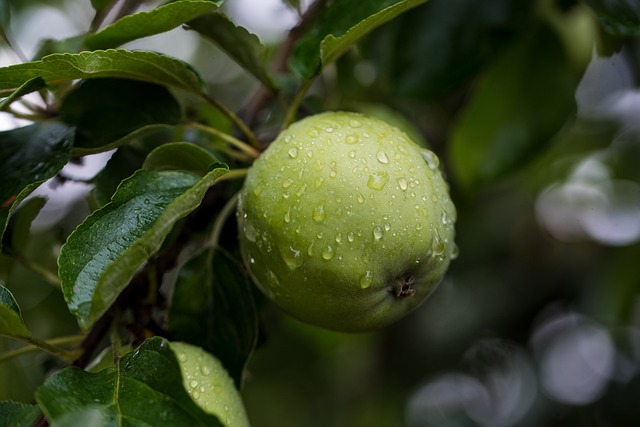
Apple trees in bloom in Ireland, with a warm red, green, and golden palette.
Orchard lens for Ireland
Review bloom timing, disease pressure, storage planning, and how grade distribution can influence revenue outcomes.
Practical checks
Windbreaks, drainage, and pollination planning are often decisive in maritime sites.
Post-harvest
Cold storage and grading can change timing and channel access for premium fruit.
Export context
Demand can hinge on consistent grading, residue compliance, and packaging standards.
Animated orchard ambience
A gentle falling apples effect is used as a decorative layer. It does not block content, and you can pause it at any time.
What we do
Calydosp is an educational platform that organizes apple orchard investment considerations into a clear, Ireland focused framework. Rather than promoting a single product, we show how orchard outcomes are shaped by site selection, cultivar strategy, production system choices, and the realities of a cool, maritime climate. Visitors can explore realistic scenario ranges for yield, grade distribution, and market routes, using plain language that helps compare orchard plans without relying on exaggerated claims.
We connect the orchard year to investment evaluation by mapping key moments such as bloom, thinning, pest and disease management, harvest, and storage. For Ireland, the content highlights humidity related disease pressure, wind exposure, and the importance of drainage. We also address revenue pathways: fresh market fruit where consistent grading and packaging matter; export opportunities where documentation and quality specifications are decisive; and local cider production where fruit size and cosmetic grade may be less critical than acidity, tannin, and supply reliability.
The goal is to help you ask better questions, plan due diligence, and understand where uncertainty sits in the model. All projections on this page are illustrative scenarios for learning and should be validated against your own agronomy and financial advice.
Ireland suitability snapshot
A compact view of how typical Irish conditions can influence orchard planning. Values are general and intended for educational context.
Maritime temperature range
Moderation can reduce extreme heat stress but may compress ripening windows in cooler seasons.
Rainfall and humidity
Higher humidity raises pressure for scab and storage rots, supporting a preventative approach.
Wind exposure
Windbreak design and trellis planning can reduce fruit rub and improve spray coverage.
Features and services
Use these tools to explore orchard scenarios, understand the Ireland production calendar, and see how market routes can influence outcomes without presenting guaranteed performance.
Scenario projections
Illustrative yield and revenue ranges tied to climate suitability, orchard density, and grade distribution. Built to encourage stress testing rather than certainty.
Seasonal calendar
A pop up calendar that summarizes typical Irish apple milestones: bloom, fruit set, thinning, harvest windows, and storage decision points.
Export readiness
Plain language guidance on grading consistency, packaging, storage, and documentation considerations that often shape export pathways.
Cider channel planning
Explore how dessert and bittersweet cultivars can feed local pressing, with quality factors such as acidity and tannin, not just appearance.
How it works
Use the page as a guided walkthrough. The steps below show how to move from a visual understanding of orchard operations to a structured, scenario based evaluation.
-
1
Start with Irish seasonality
Open the seasonal calendar and map the work year: bloom sensitivity, thinning windows, harvest timing, and storage decisions.
-
2
Compare market routes
Consider how fresh grading, export requirements, and cider processing can each influence price, logistics, and timing.
-
3
Use fruit cards for scenarios
Click a fruit card to expand details. Each card includes a yield range, an example grade split, and a scenario revenue band to discuss with advisors.
-
4
Document assumptions
Capture what drives your numbers: cultivar choice, density, packout rate, labor availability, storage costs, and conservative downside cases.
Image gallery
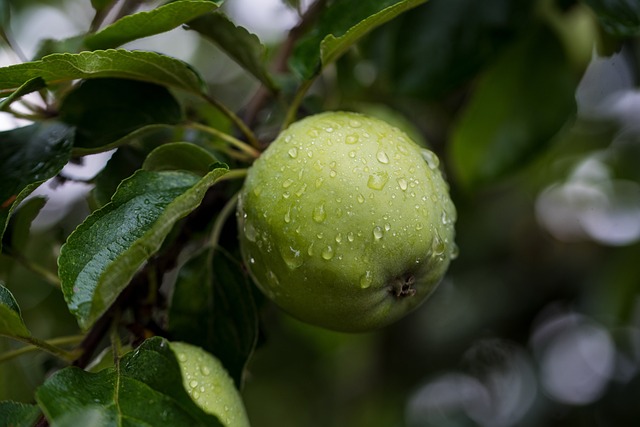
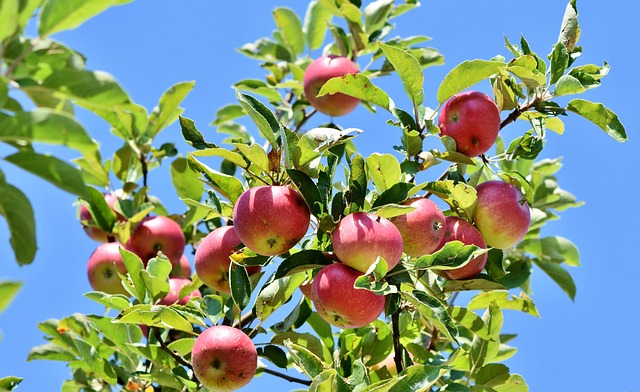
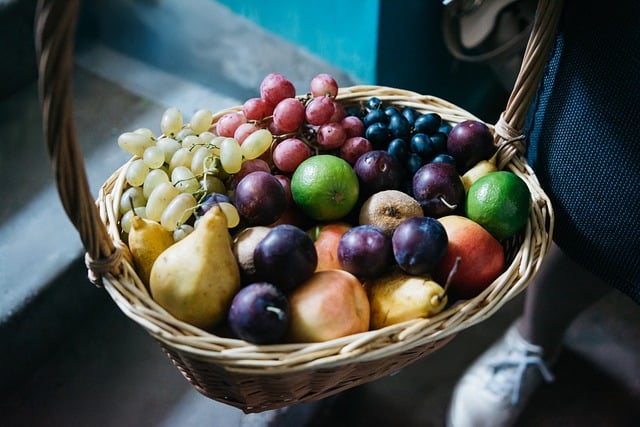
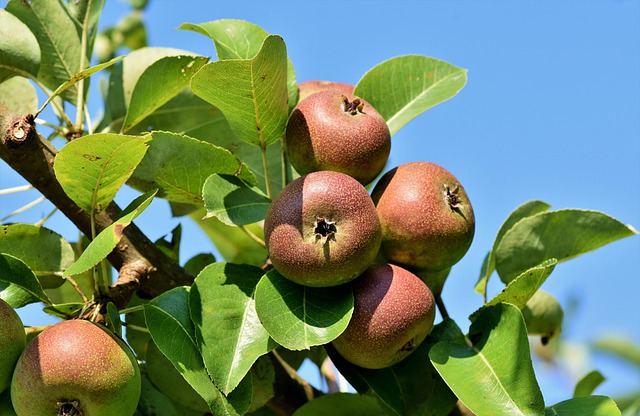
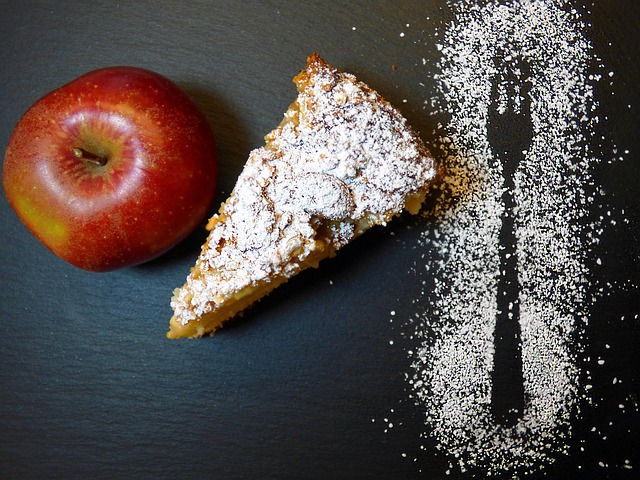
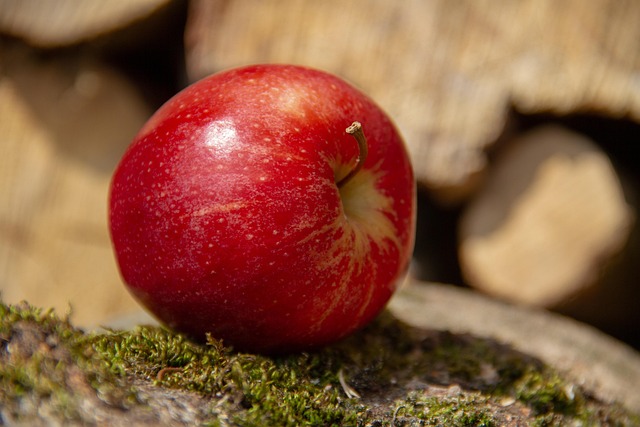
Open full galleryA quick set of visuals for apples, orchards, and harvest scenes. Images are intentionally unlinked for ad safety and performance.
Parallax note
The hero image uses a lightweight parallax transform based on scroll position. It is decorative and does not change page content by visitor source.
Clickable fruit cards
Tap a card to expandEach card expands to show an illustrative scenario based on typical Irish orchard considerations such as disease pressure, packout variability, and storage. Numbers below are examples for discussion and do not represent guaranteed performance.
Projection framing for Irish climate suitability
These bands reflect a general suitability view for Ireland: moderate summer temperatures can support firmness and acidity, while humidity and rainfall can increase disease and storage challenges. Export opportunities generally improve with consistent Class 1 packout, while cider pathways can provide additional flexibility for fruit that does not meet fresh appearance specifications.
FAQ
Clear answers to common questions for visitors evaluating apple orchard investment themes in Ireland. This is educational content, not individualized advice.
Does Ireland have a suitable climate for apples?
Many apple cultivars can perform in a cool maritime climate, where extremes are moderated. Site details matter: airflow, shelter, drainage, and frost pockets can influence bloom survival and disease pressure.
Because rainfall and humidity can be persistent, disease management and canopy design often have a larger impact on quality outcomes than in drier regions. Suitability should be evaluated field by field.
What drives variability in yield and grade?
Yield and grade are influenced by pollination success, thinning decisions, pest and disease control, wind exposure, and harvest handling. Weather during bloom and near harvest can shift outcomes quickly.
Grade distribution is often where the economics change most: a higher share of Class 1 fruit can improve pricing and export access, while downgrades may rely on processing channels.
How do export opportunities typically work for apples?
Export pathways usually require consistent sizing, firmness, packaging standards, and traceability documentation. Residue compliance and cold chain reliability can be decisive for repeat orders.
A practical way to think about export is as a capability: it can widen the buyer set when quality is consistent, but it also adds operational discipline and logistics cost.
How does cider production fit into orchard planning?
Cider can provide an additional market route for fruit that does not meet fresh appearance specifications. Cultivar choice and blending targets can prioritize acidity, sugar, and tannin rather than perfect skin finish.
Processing still has constraints: reliable supply, pressing capacity, storage, and product regulations matter. Many plans use cider as a complement, not a cure all.
Are the projections on this page guaranteed?
No. The yield and revenue bands are illustrative scenarios used to explain how assumptions change outcomes. Real orchard performance depends on site specifics, management, costs, financing, and market pricing.
For investment decisions, projections should be reviewed with qualified agronomy and financial professionals and stress tested for downside seasons.
Disclaimer
Important information
The information on this website is for informational and educational purposes only and does not constitute financial, legal, or investment advice. Investing involves risk, including the possible loss of capital. Orchard performance can vary due to weather, pests, disease pressure, operational decisions, and market pricing. Any projections shown are illustrative scenarios and should be independently verified.
If you are considering an investment, seek advice from appropriately qualified professionals and ensure you understand costs, regulatory requirements, and the risks specific to agricultural operations.